
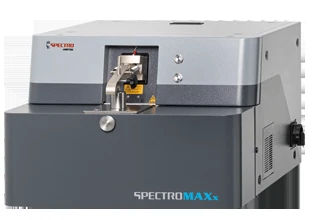
OES composition analysis
Direct-reading optical emission spectrometry (OES) is used for repeated chemical analyses during casting campaigns, supporting alloy formulation consistency and traceable batch control.
CHEMISTRY CONTROLEvidence-led materials research. Consistent manufacturing.

From alloy chemistry and melt integrity to thermal processing and final inspection, Yuanji integrates analytical testing with manufacturing operations to support consistent product quality and traceable technical evidence.

OPTICAL EMISSION SPECTROMETRYAluminium quality is shaped long before final inspection. Alloy preparation, melting, casting, hot working and heat treatment all contribute to material performance. Yuanji brings batch testing, metallurgical analysis and process verification together to support repeatable material and forging supply.
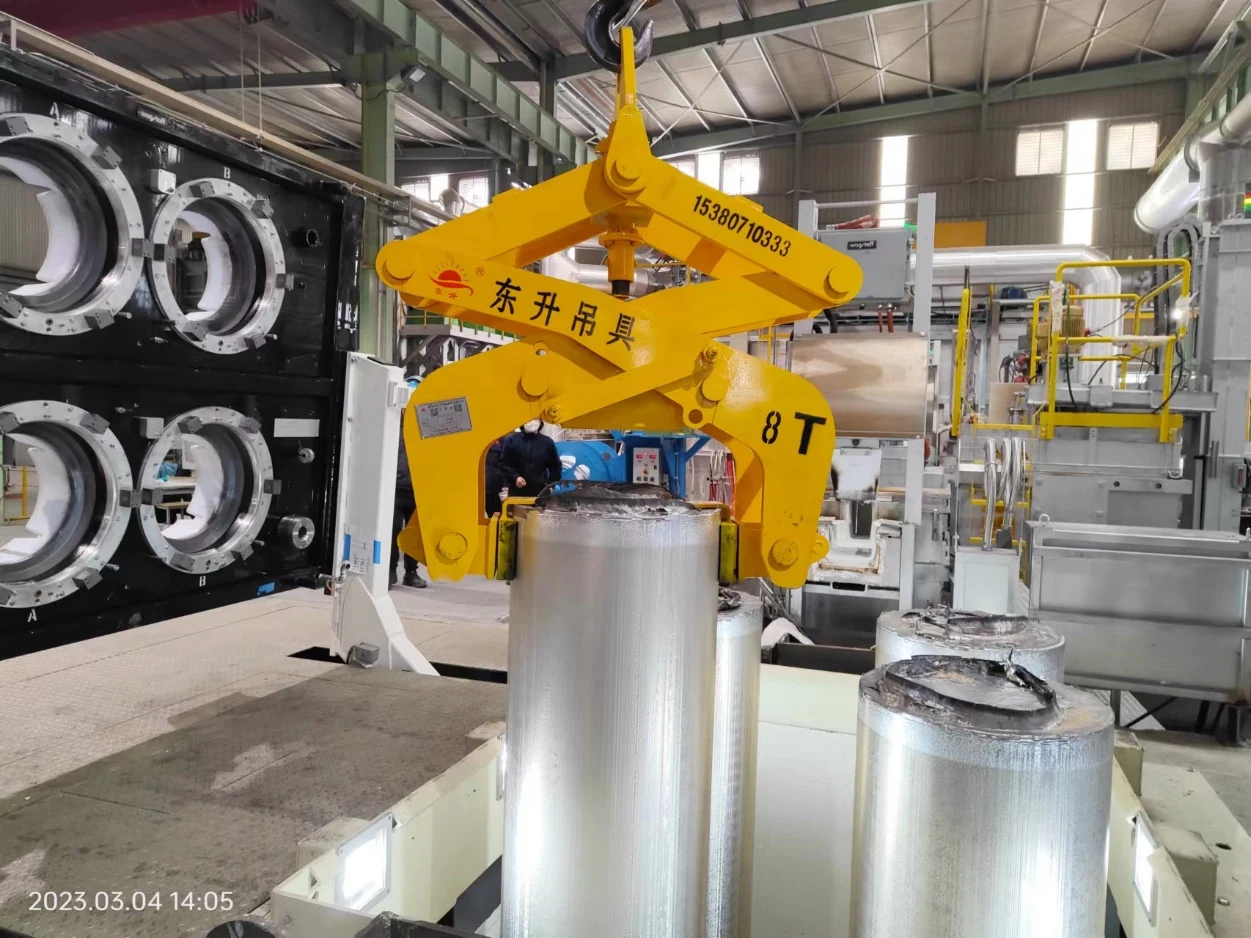
Monitoring chemistry, hydrogen content and melt cleanliness at critical stages.
Connecting analytical findings with lot and inspection records for engineering review.
ALUMINIUM CASTING & MATERIAL CONTROL · WUXI YUANJIBased on Yuanji’s existing R&D description, these disciplines support understanding and control of material quality.

Direct-reading optical emission spectrometry (OES) is used for repeated chemical analyses during casting campaigns, supporting alloy formulation consistency and traceable batch control.
CHEMISTRY CONTROL
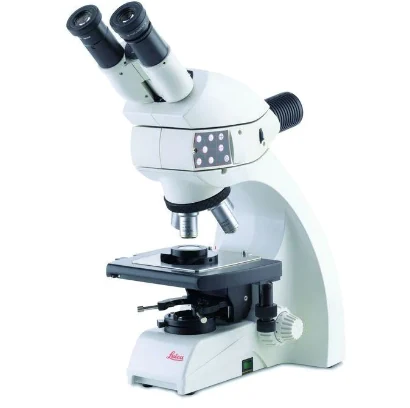
ABB ALSCAN is used to measure hydrogen in molten aluminium during casting campaigns, providing a reference for melt quality and potential porosity risk.
MOLTEN METAL ANALYSIS
In addition to hydrogen, metallographic and ultrasonic evaluation, Yuanji describes direct measurement methods for non-metallic inclusions and melt cleanliness.
INCLUSION ASSESSMENT
Homogenization, preheating, solution treatment and aging require accurate, uniform furnace temperatures supported by periodic SAT and TUS verification.
SAT / TUS VERIFICATION
HOMOGENIZATION · SOLUTION TREATMENT · AGINGFurnace temperature accuracy, uniformity and process records matter in aluminium heat treatment. Yuanji conducts periodic SAT (System Accuracy Test) and TUS (Temperature Uniformity Survey) activities to support control of thermal processes.
Methods and acceptance criteria are selected according to alloy, product form and applicable customer specifications. The equipment photographs are representative of the capabilities described.

Alloy composition analysis

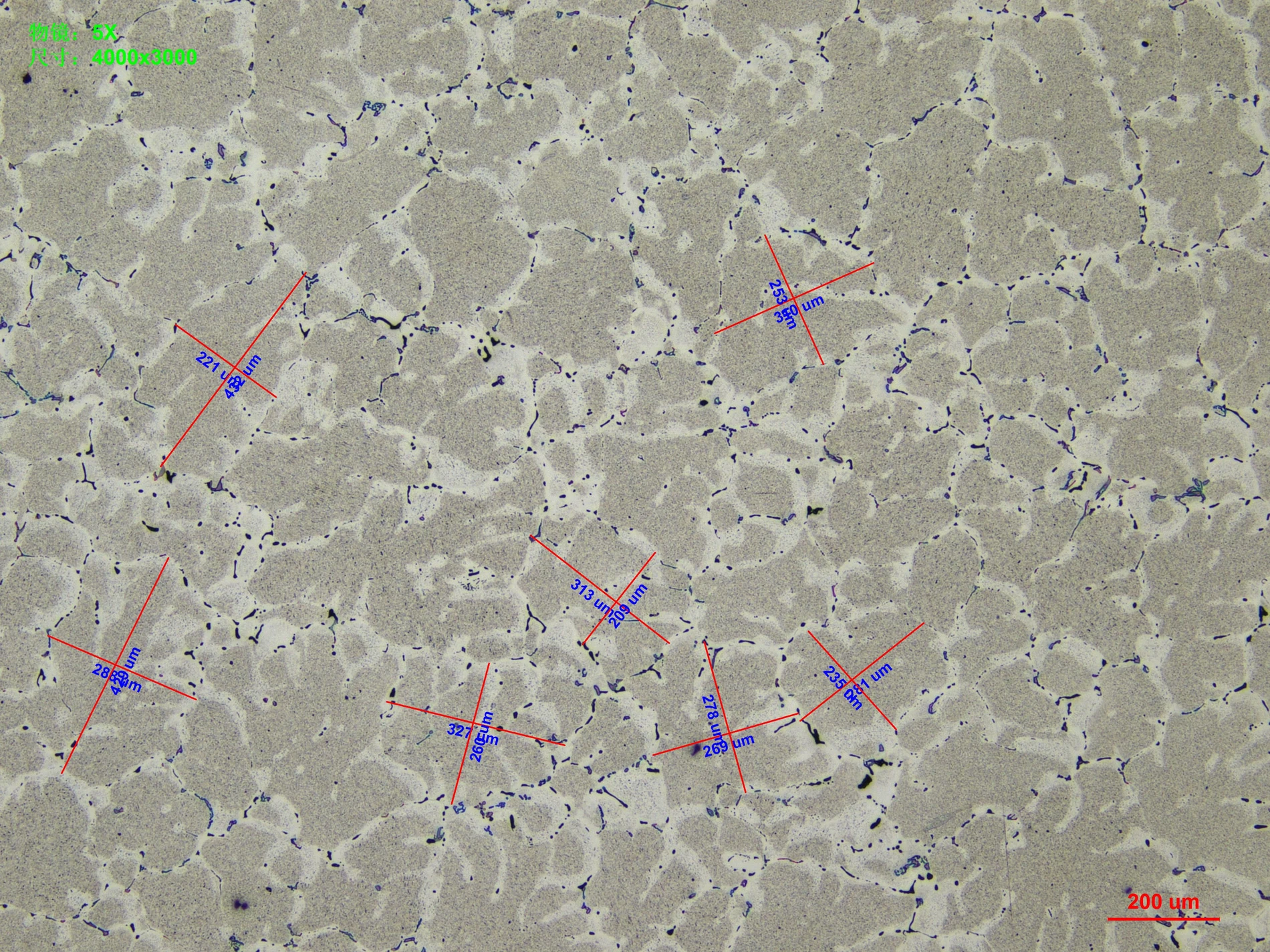
Microstructure and grain evaluation

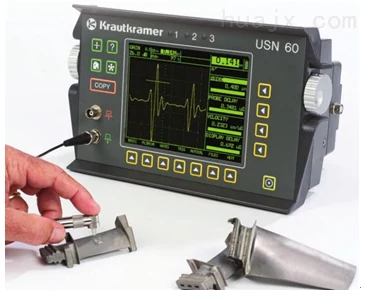
Non-destructive internal quality checks

Hardness and tensile property validation
Want to discuss applicable test methods, equipment capabilities or project-specific requirements?
Contact engineering